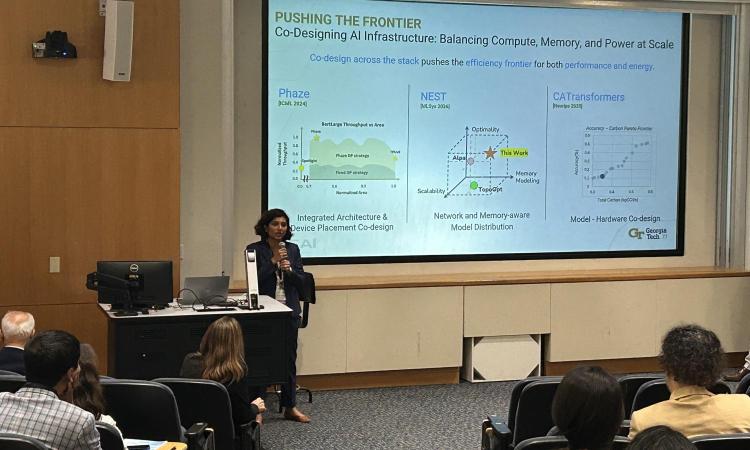
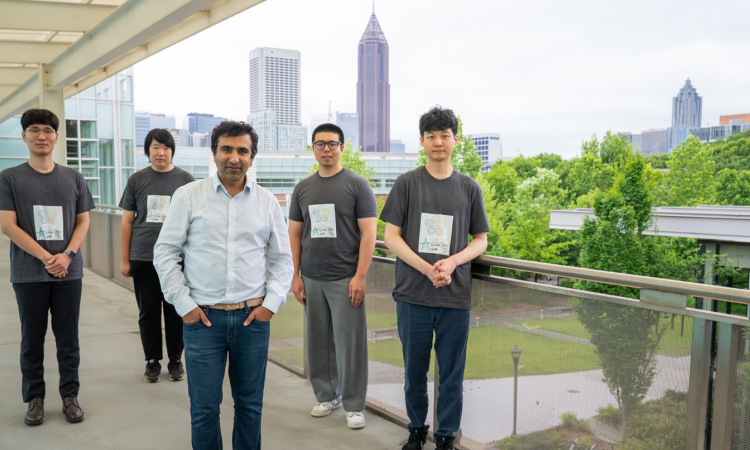
The assistant professor was invited to speak at the leading National Academy of Engineering symposium on building efficient and adaptive infrastructure for scaling AI.
Ph.D. student Michael Boateng spent his summer out west, interning at the Los Alamos National Laboratory and attending a workshop at the Argonne National Laboratory, all in the pursuit of AI and high-performance computing education. But along the way, he had new experiences he won’t soon forget.
After a hiatus, a group led by ECE students relaunched the IEEE Electronics Packaging Society Student Branch Chapter at Georgia Tech, providing an interdisciplinary space for electronics packaging discussion that had been missing.
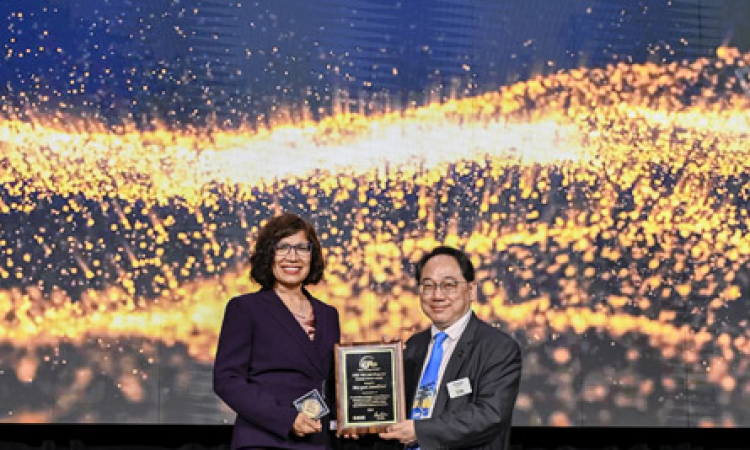
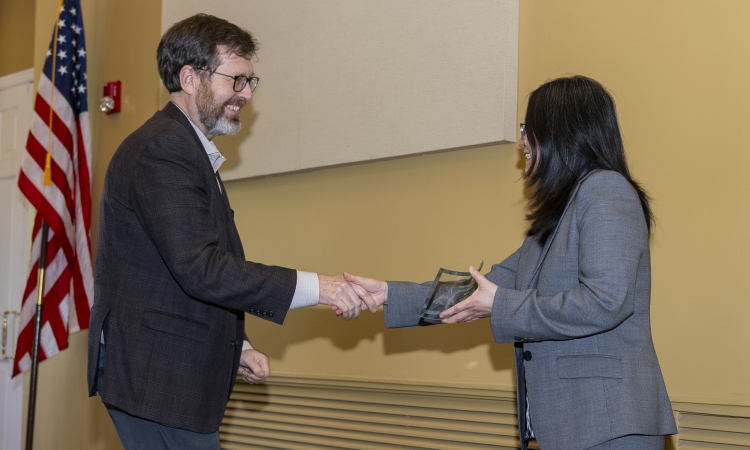
The Semiconductor Research Corporation has honored the ECE chair with the Aristotle Award for his long-standing commitment to student mentorship and engineering education, making him only the second Georgia Tech faculty member to earn the distinction.
The ECE Ph.D. Student was recognized at the SUPREME Center Annual Review for research addressing key challenges in next-generation ferroelectric memory.
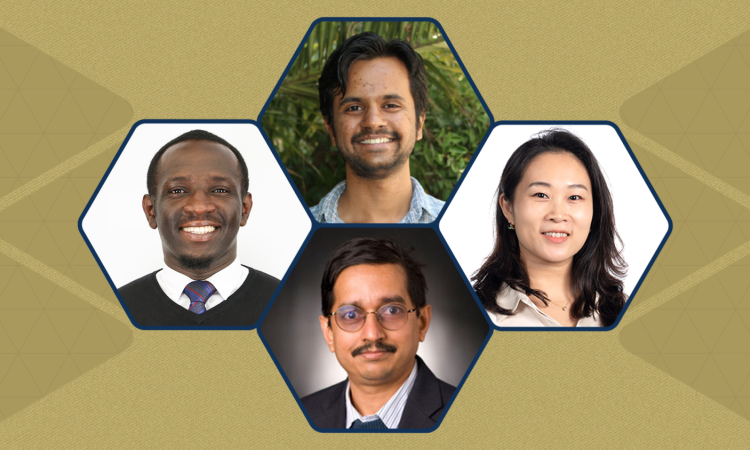
Representing a mix of distinguished leadership, rising talent, and teaching excellence, ECE's newest faculty members bring expertise in energy systems, space weather, advanced computing, and next-generation microelectronics.
The ECE Ph.D. student received the prestigious IEEE Power and Energy Society Murty & Bhavani Yalla Power System Protection & Control Fellowship, supporting his efforts to develop more reliable, resilient, and sustainable electric power systems.
Researchers in the Tri-Institutional Center for Translational Research in Neuroimaging and Data Science are developing an artificial intelligence approach for analyzing functional magnetic resonance imaging to identify subtle brain-network patterns associated with Alzheimer's risk in seemingly healthy patients.
As part of the GridLogic project, a Department of Energy-supported cybersecurity initiative, Georgia Tech researchers have developed a deep neural network that can evaluate the security of the power grid orders of magnitude faster than the traditional methods.
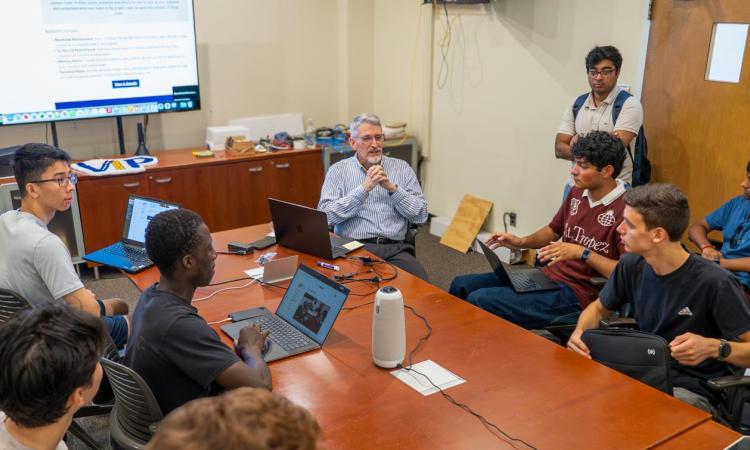
As Professor Ed Coyle steps down as director of Georgia Tech's Vertically Integrated Projects (VIP) program, one of higher education's leading student research initiatives enters a new chapter of growth.
The Ken Byers Professor was recognized with the prestigious Nari Hingorani Custom Power Award for pioneering contributions to the architectures, protection, and stability of hybrid AC-DC distribution systems.
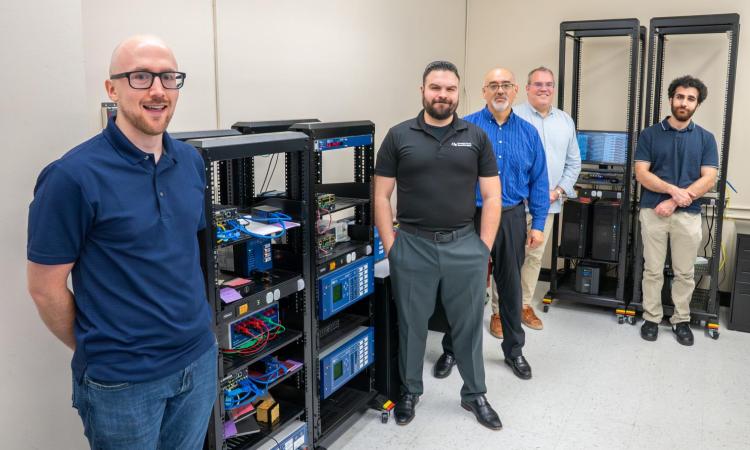
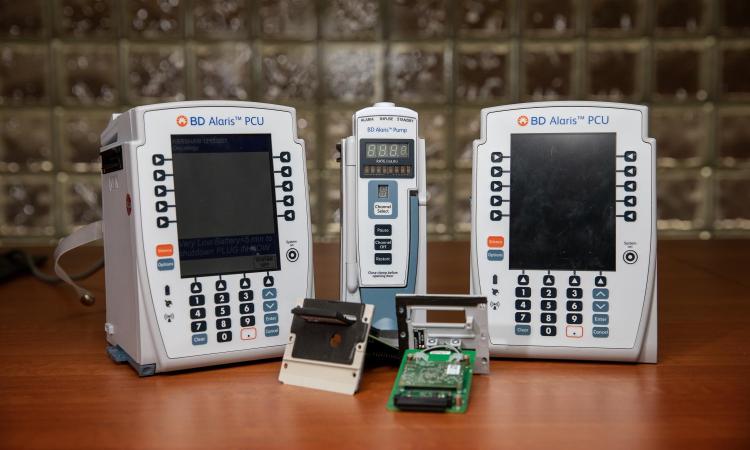
A new project underway at Georgia Tech aims to help hospital staff protect those devices while providing critical information about the overall security of the networks on which they operate.
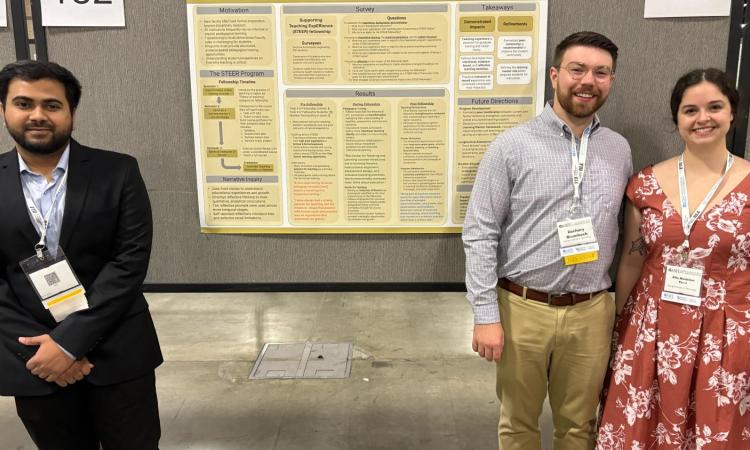
Multiple papers and presentations at the American Society for Engineering Education's annual conference highlighted ECE's fellowship program for aspiring faculty.
The ECE Ph.D. student took home the top student award at the 54th IEEE Photovoltaic Specialists Conference for her research on the use of copper in solar cells.
The graduate student has been very active in the power and energy field over the last four years and plans to use the scholarship to continue her master’s degree in ECE.
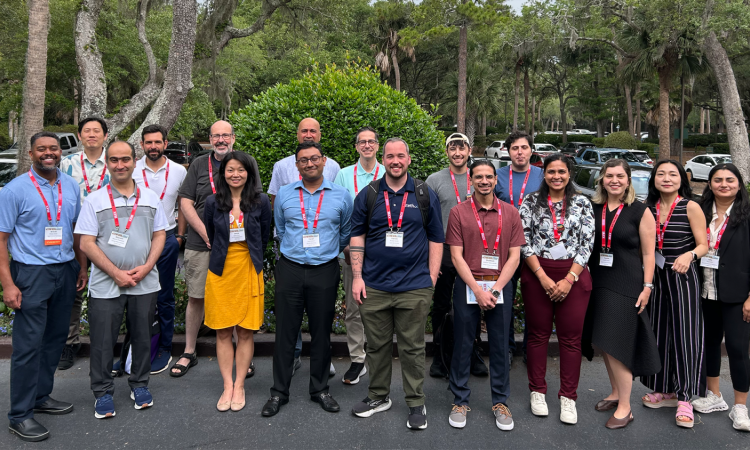
Current and former Yellow Jackets were in South Carolina, sharing the latest in solid-state sensors, actuators, and microsystems research, as well as honoring former ECE Professor Oliver Brand with a scholarship in his name.
With hundreds of thousands of people attending the 104 World Cup games over the next 39 days and billions more watching at home, an immense amount of technology will be needed to ensure a seamless, safe, and enjoyable experience. Experts from ECE explain how electrical and computer engineering are facilitating some of the tournament's newest and most crucial technology.
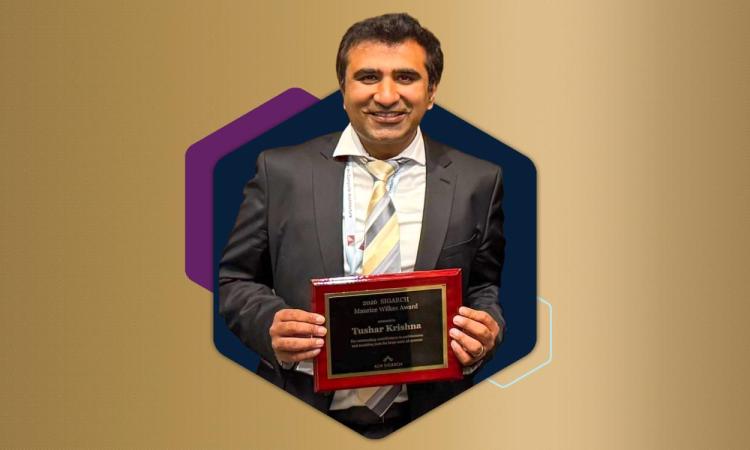
Like the internet before it, AI systems need shared standards to work together. Tushar Krishna and industry collaborators have released Chakra, a new set of tools designed to help make that possible.
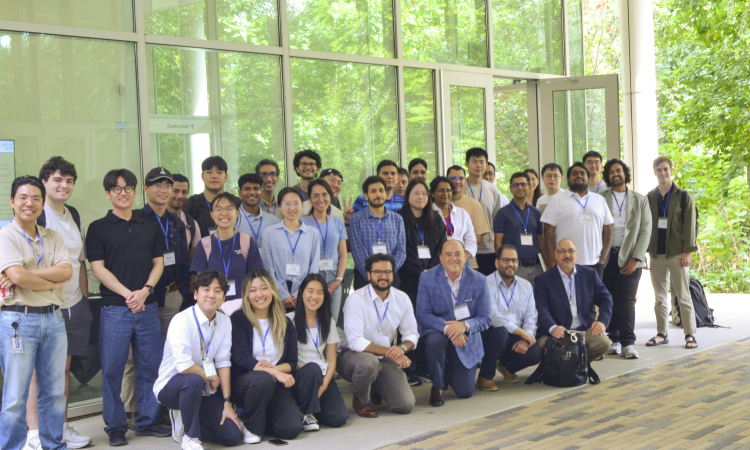
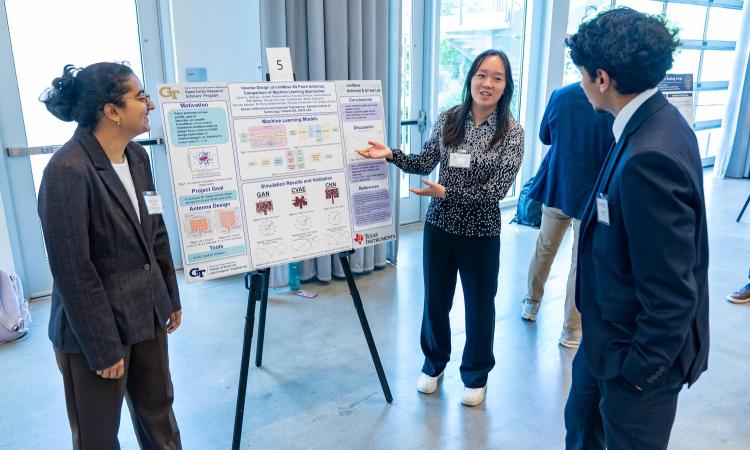
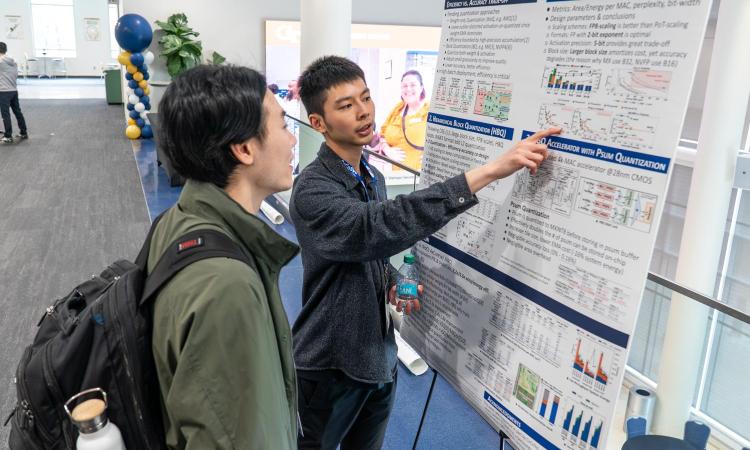
The annual symposium allows undergraduate students to present their research projects and submit them as conference papers, giving them practical experience early in their academic careers.
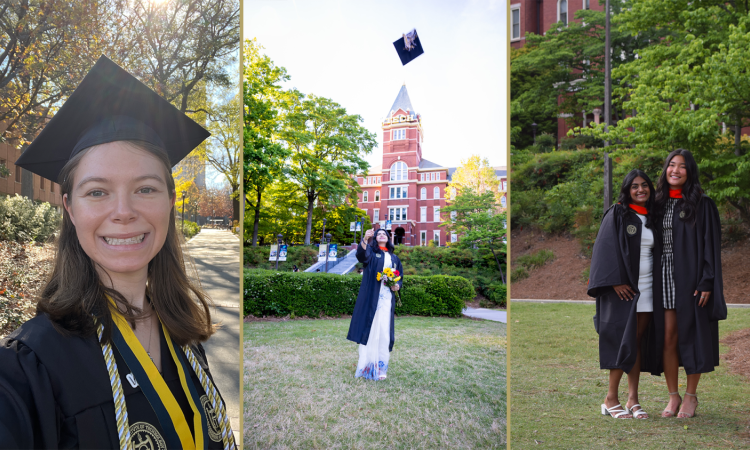
As the Spring 2026 ECE graduates prepare to cross the stage and embark on their next chapter, they reflect on the people and communities that helped them find their way.
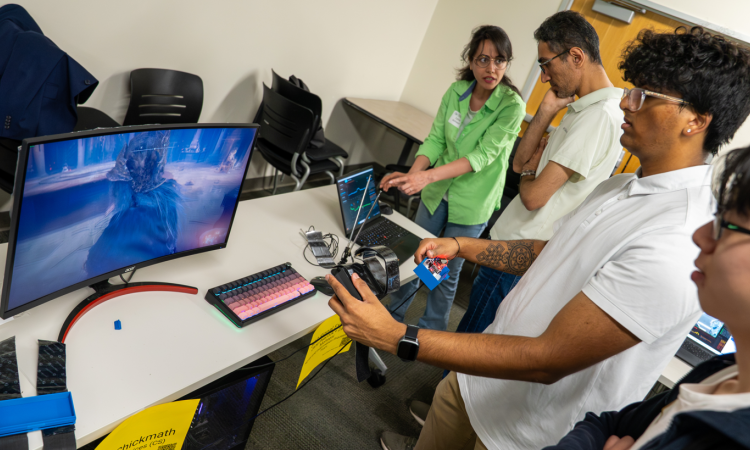
Through the first-ever Innovate ECE: Ultimate Thread Challenge, students created and showcased projects designed to help peers and future students better understand ECE’s popular curriculum Threads.
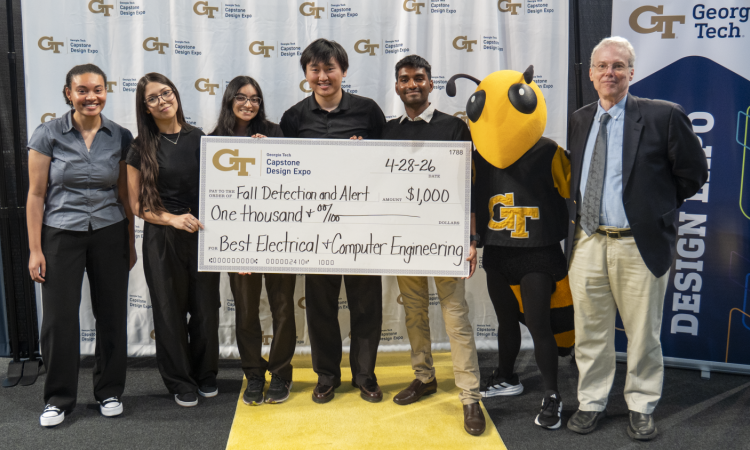
The noninvasive fall detection system was named the School’s top project by judges, while ECE students also contributed to the Best Interdisciplinary and Best Overall Project Award winners.
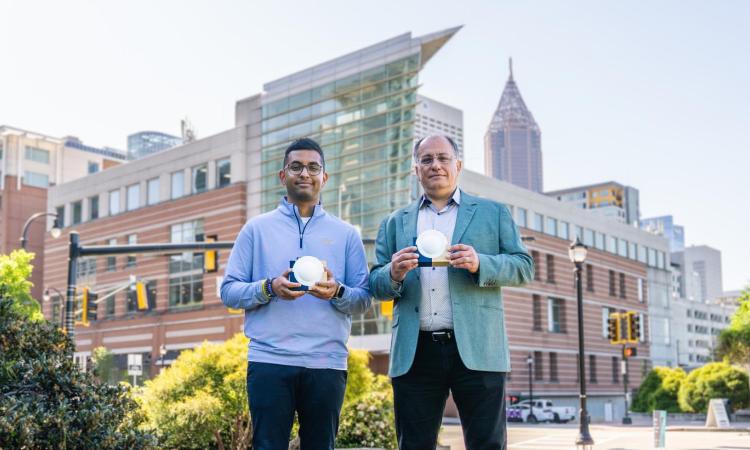
The medals recognize James McClellan’s impact on digital signal processing curriculum development and Biing‑Hwang “Fred” Juang’s role in defining modern speech and audio signal processing.
As the JUMP 2.0 center nears the end of its timeline, work on neurosymbolic AI—an approach that blends machine learning with human‑like reasoning—is showing results.
Emmanouil Tentzeris and Marvin Joshi’s new work demonstrates how a lens‑enabled backscatter system can deliver modern wireless capability without traditional transmitters.
ECE undergraduate student Shreya Iyer was one of two Georgia Tech students to receive the award and will use it to join the Laboratory of Sustainability Robotics.
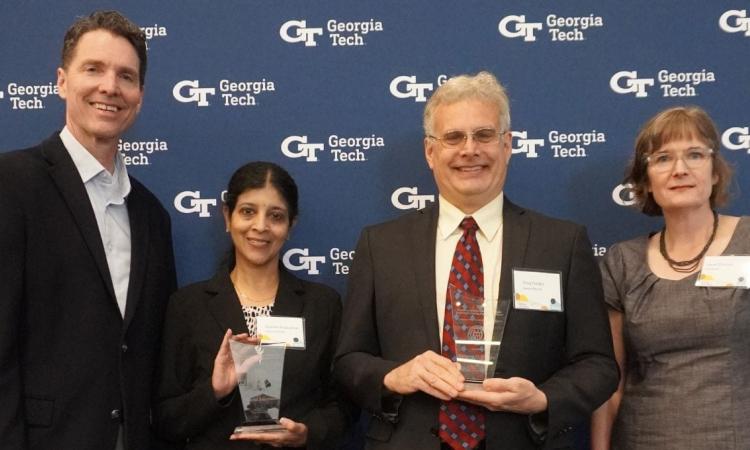
The Georgia Tech School of Electrical and Computer Engineering celebrated its outstanding students, staff, and faculty at the 2026 Roger P. Webb Awards Program.
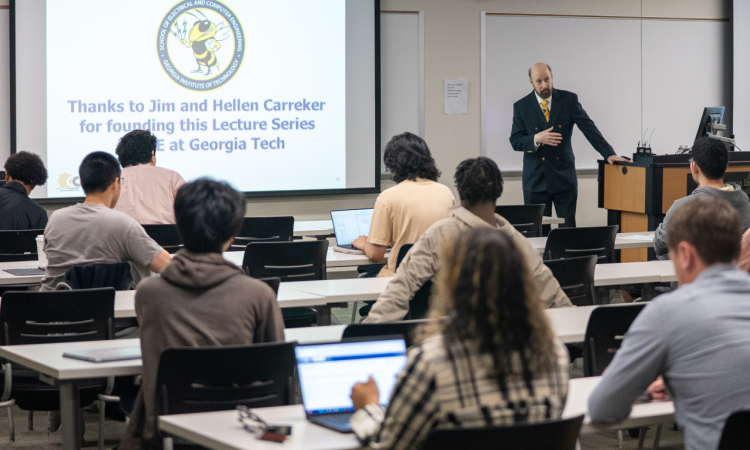
Professor Emeritus Russell Dupuis became the first ECE faculty member to headline the series, offering a career’s worth of perspective on semiconductor innovation and its real-world impact.