
A Message from the Chair
Dear friends,
The challenges and opportunities facing society today are increasingly tied to technology. Meeting those challenges requires more than outstanding faculty, students, and research programs. It requires a community.
At the Georgia Tech School for Electrical and Computer Engineering, that community extends far beyond our classrooms and laboratories. It includes alumni who mentor students, industry partners who help shape the future of education and research, philanthropic supporters who invest in new ideas, and friends who believe in the impact engineering can have on the world.
As you'll see throughout our fiscal year review below, ECE continues to lead in areas ranging from artificial intelligence and semiconductors to energy systems, computing, communications, and more. These achievements are the result of talent and hard work, but they are also made possible by the relationships that strengthen our School and expand our reach.
Thank you for being part of our community. Your support, partnership, and belief in our mission ensure that ECE remains a place where innovation thrives and the next generation of engineers is prepared to make a difference.
Arijit Raychowdhury
Steve W. Chaddick School Chair and Professor


(text and background only visible when logged in)
Where Experts Lead

What It Takes to Deliver a Tech‑Heavy World Cup
With hundreds of thousands of people attending World Cup games and billions more watching at home, an immense amount of technology will be needed to ensure a seamless, safe, and enjoyable experience. Experts explain how electrical and computer engineering are facilitating some of the tournament's newest and most crucial technology.
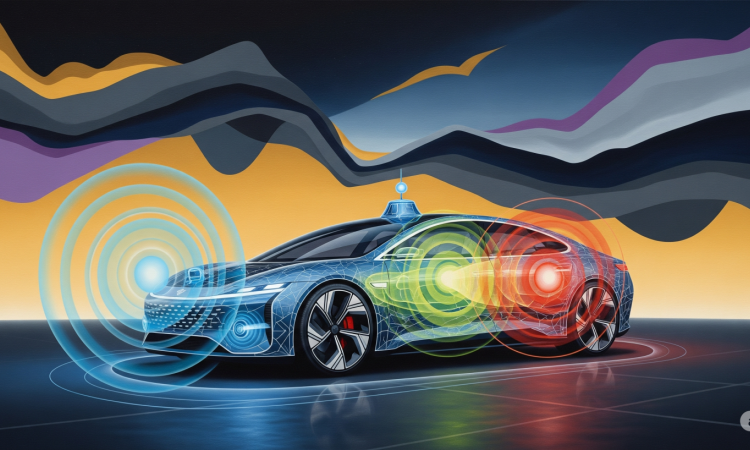
Engineering the Car of the Future
Researchers look to the future of the automotive industry, and how new technology—from innovations in electric motors, wireless charging, autonomous systems, and beyond—will not only transform vehicles, but reshape the power grid, influence policy decisions, and impact numerous aspects of society.
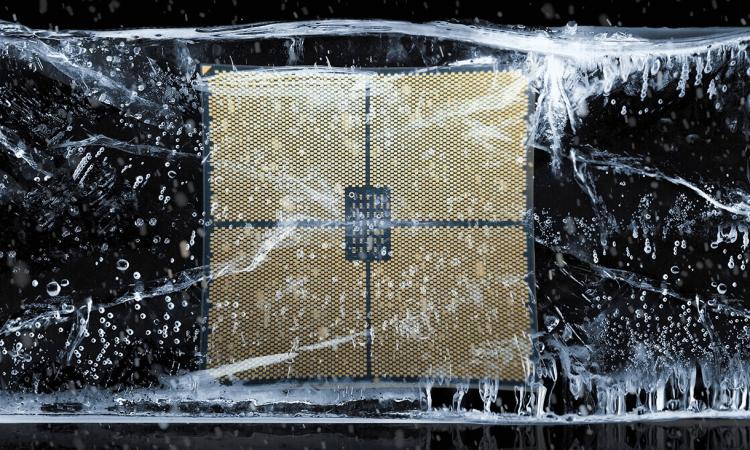
The Challenges and Opportunities of Technology in the Cold
In labs chilled to 4 kelvins (-450 degrees!) and on expeditions to polar regions, scientists are discovering how extreme cold simultaneously challenges and advances technology in computing, space exploration, and the interpretation of Earth’s natural signals.
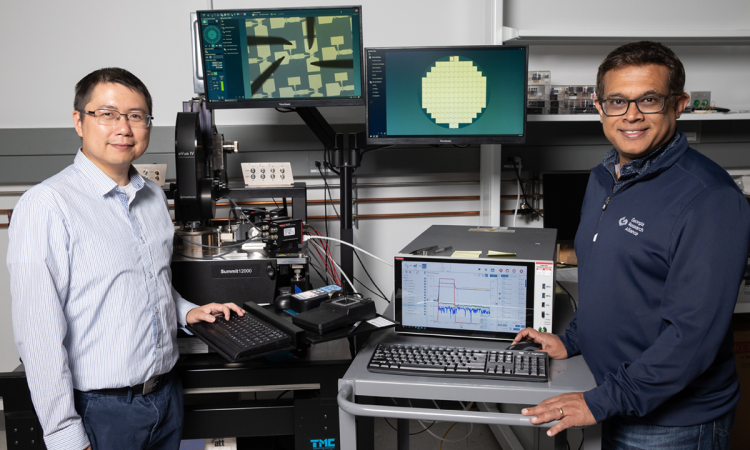
Smaller, Smarter, Speedier, Stacked: Engineering Next-gen Computing
Some technologists suggest we’re nearing the limits of packing ever-more computing power into ever-smaller chips. At Georgia Tech, engineers are finding new ways to shrink transistors, make systems more efficient, and design better computers to power technologies not yet imagined.
Research Breakthroughs
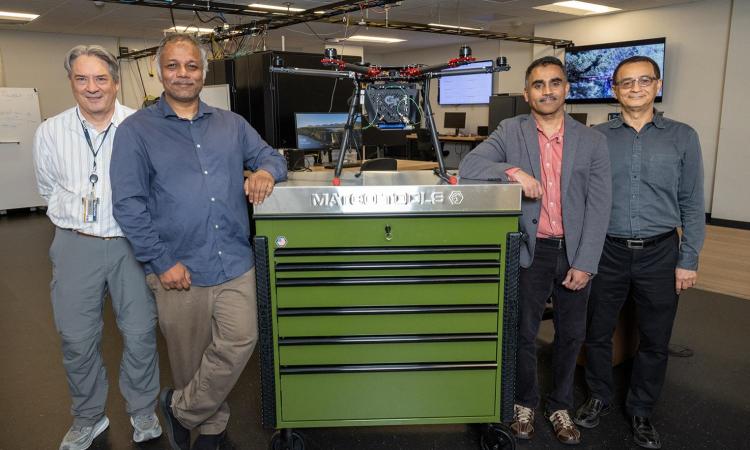
Momentum Builds for FutureG Wireless Communications with Launch of New Research Center
The Center for Wireless Intelligence establishes Georgia Tech as a hub for wireless innovation, powered by a top-tier testbed spanning multiple sites and deep cross-sector collaboration.
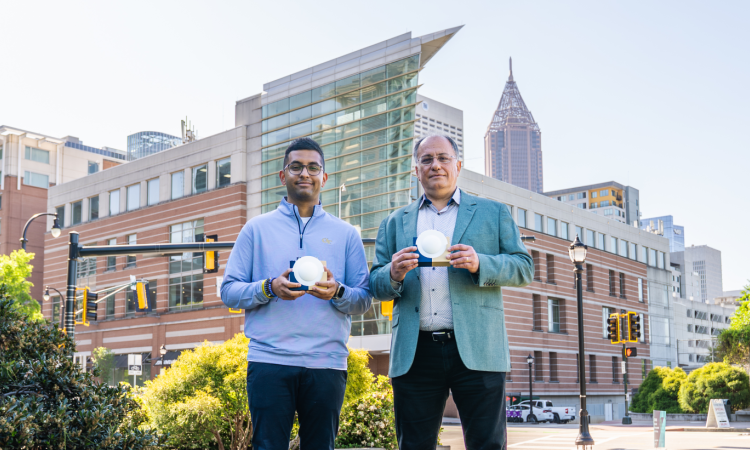
How a Lens Is Pushing the Limits of Near-Zero‑Power Wireless Communication to Gigabits‑Per‑Second Speeds
Emmanouil Tentzeris and Marvin Joshi’s new work demonstrates how a lens‑enabled backscatter system can deliver modern wireless capability without traditional transmitters.
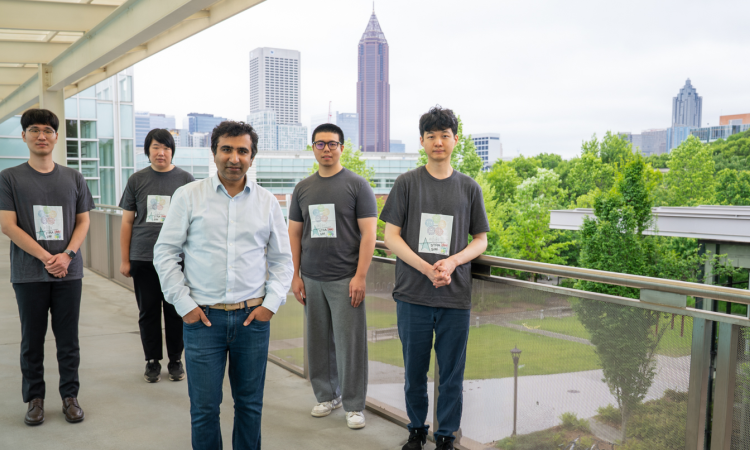
A Common Language to Understand AI Systems
Like the internet before it, AI systems need shared standards to work together. Tushar Krishna and industry collaborators have released Chakra, a new set of tools designed to help make that possible.
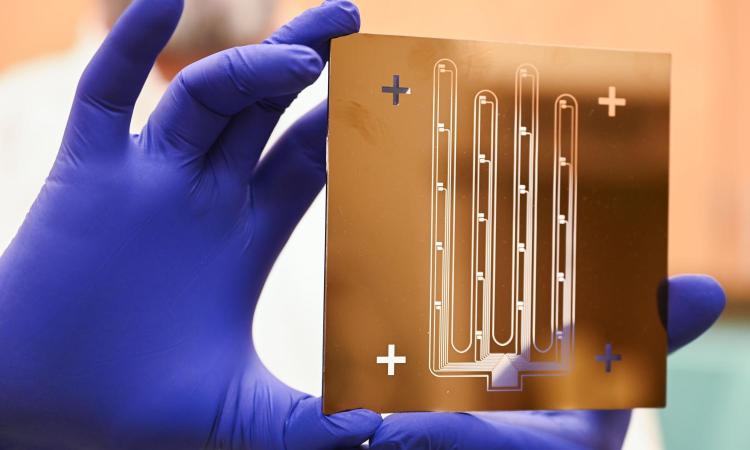
Smart Sensor System Targets Global Gaps in Menstrual Health Care
The initiative, co-led by Ali Adibi and Ashkan Zandi, is developing sensor technology in menstrual products to detect heavy bleeding, addressing a condition often overlooked until it causes severe health consequences.
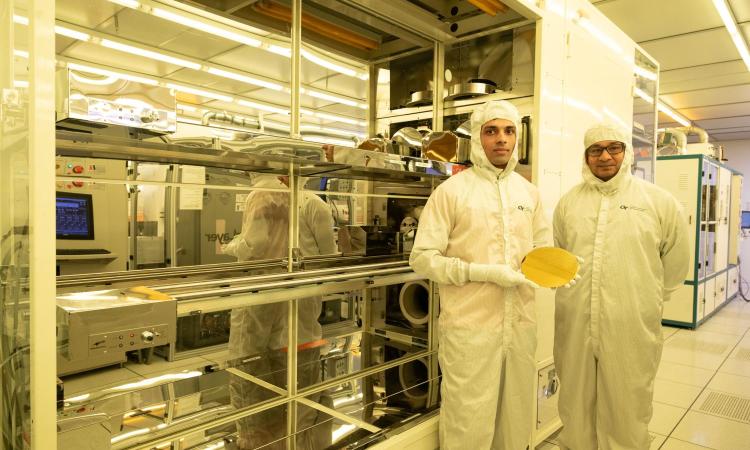
Researchers Discover New Form of NAND Flash Data Storage for Deep Space Missions
Led by Asif Khan and Lance Fernandes, researchers are developing memory that pairs AI performance with resilience to space-level radiation.
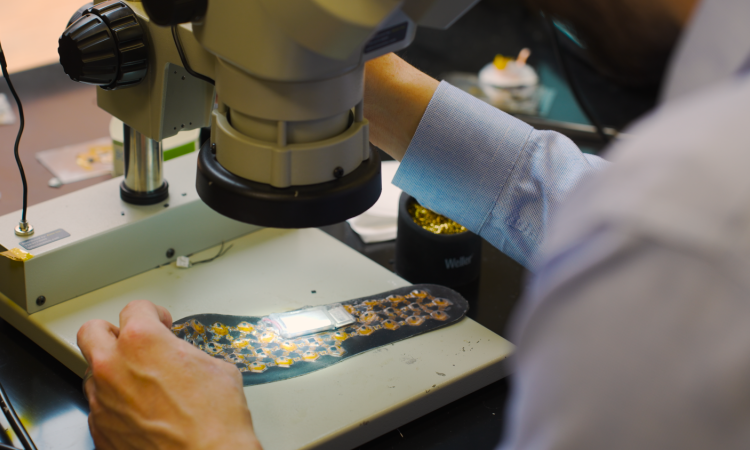
New Wearable Reroutes Lost Sensation, Restores Stability
Matthew Flavin has developed a wireless wearable that translates foot pressure into heat and vibration, helping individuals with sensory impairments regain balance and mobility.
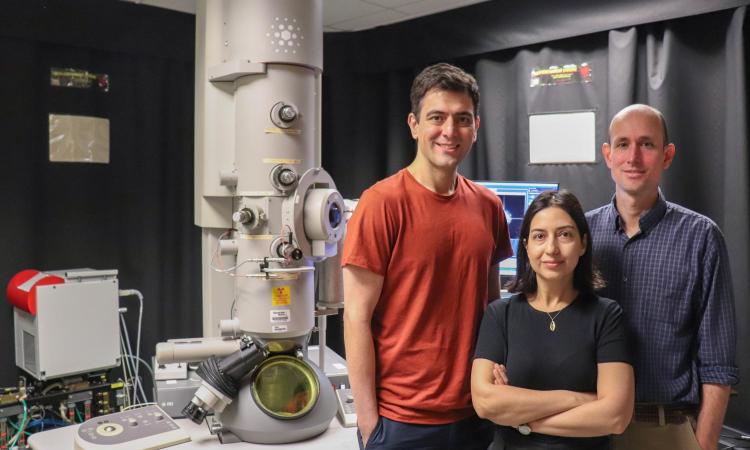
Accelerating Discovery With AI
By integrating specialized AI agents directly into electron microscopes, Georgia Tech researchers aim to speed the discovery of new materials and technologies.
Academic Innovation
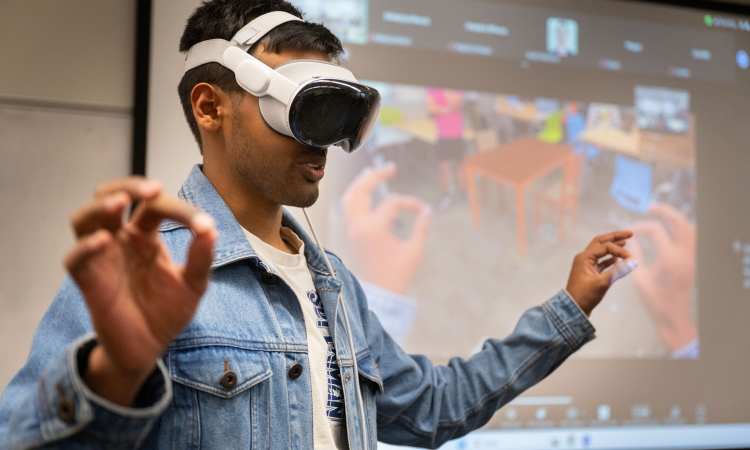
Apple Vision Pro Powers New Wave of Immersive Education
Spatial computing is transforming engineering education at Georgia Tech and opening new paths for entrepreneurship and technical training.
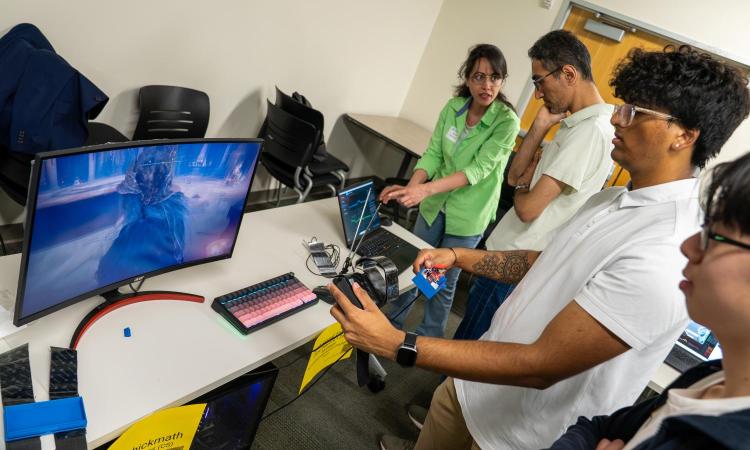
Innovate ECE Challenge Showcases Curriculum Threads in Action
Through the first-ever Innovate ECE: Ultimate Thread Challenge, students created and showcased projects designed to help peers and future students better understand the School's popular curriculum model.
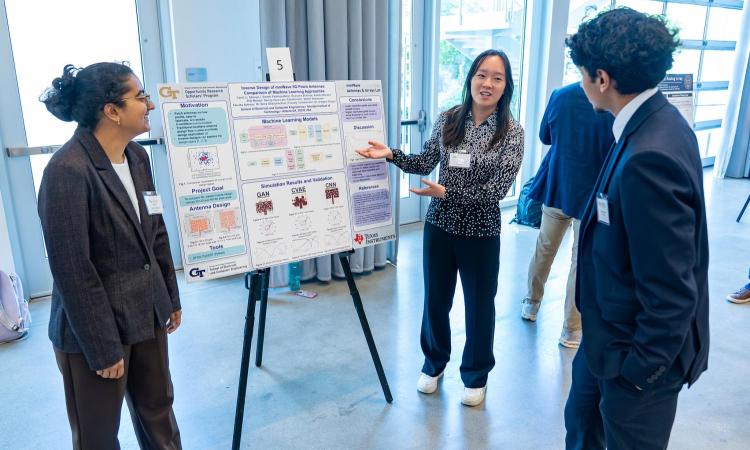
Students Present Research at 2026 Opportunity Research Scholars' Symposium
The annual symposium allows undergraduate students to present their research projects and submit them as conference papers, giving them practical experience early in their academic careers.
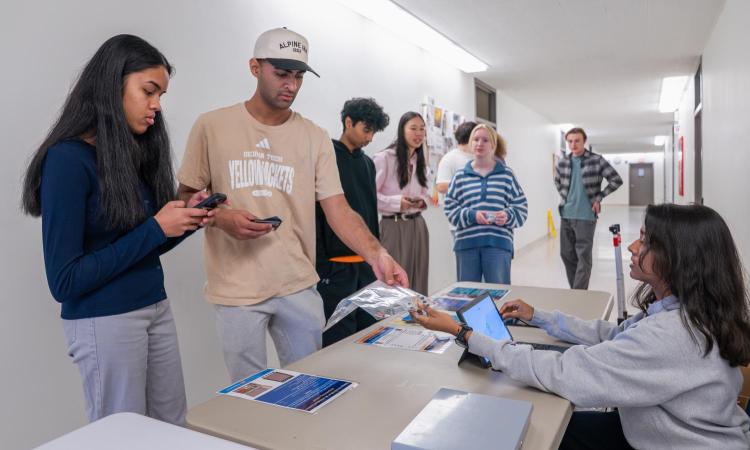
HKN Celebrates 20 Years of Lab Supplies Sale Program
Run by HKN, an honor society for electrical and computer engineering students, the program delivers affordable, dependable lab kits and demonstrates how a student‑run effort can grow into a lasting success.
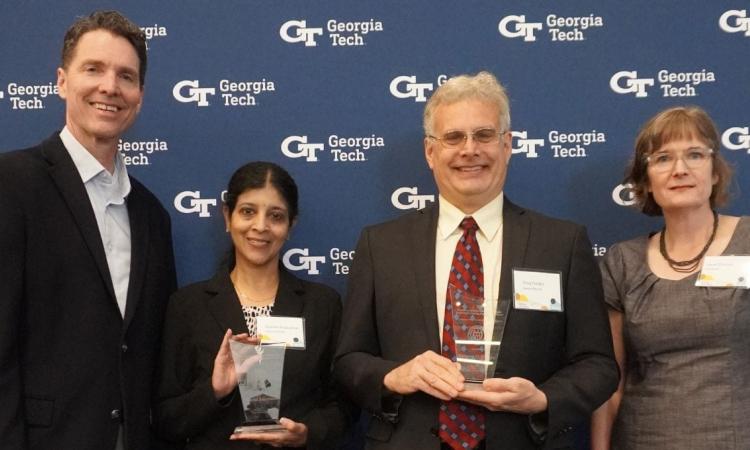
Opportunity Research Scholars Program Named Inaugural Recipient of High-Impact Practices Award
This award recognizes units that have successfully implemented high-impact practices in their curriculum and co-curricular experiences.

Sleepless Tutor Turns Midnight Panic Into Progress
Developed by Professor Ying Zhang, the AI tutor provides on-demand, course-specific guidance that helps students build confidence and work through challenging material on their own.
Transformative Philanthropy
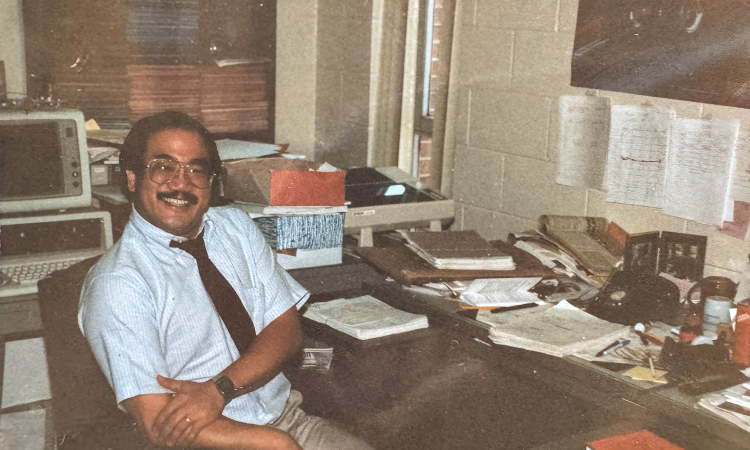
Honoring a Professor Who Made Learning Feel Alive
Inspired by John Uyemura's unforgettable teaching style and mentorship, two Georgia Tech alumni have established a scholarship endowment fund in memory of the late educator, whose influence continues to resonate decades after his passing.
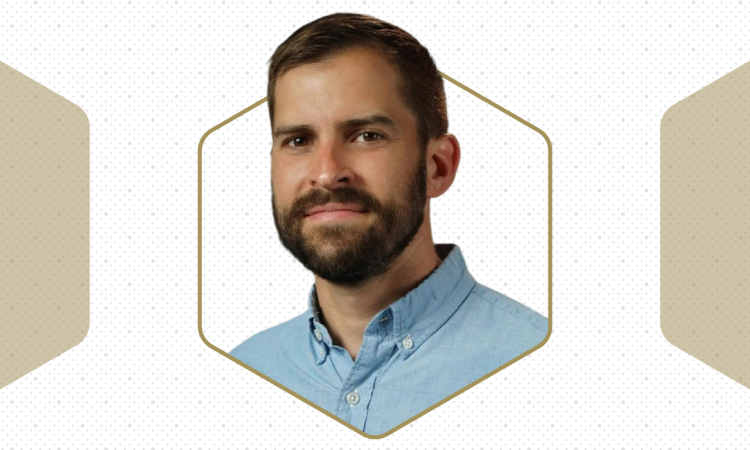
Carreker Professorship Established with Davenport Named Inaugural Recipient
The new endowed role reflects the Carrekers’ commitment to advancing ECE’s mission and recognizes Davenport’s leadership in research and education.
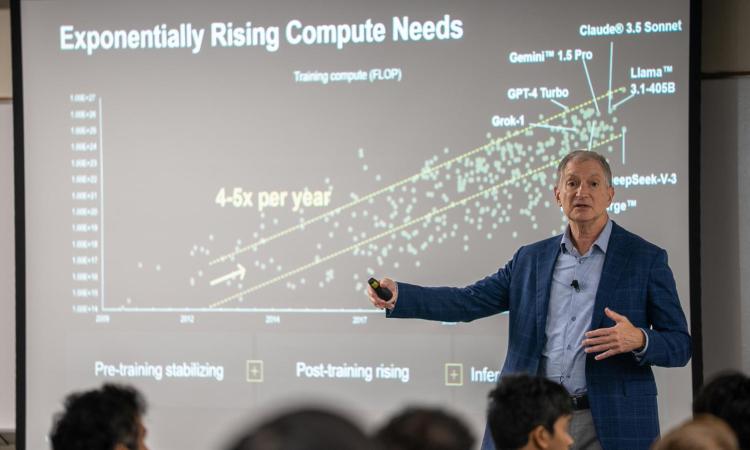
AMD CTO Mark Papermaster Headlines ECE Distinguished Lecture
One of industry’s top AI and computing experts delivered ECE’s inaugural Carreker Distinguished Lecture, emphasizing that success in the AI era depends on collaboration, integration, and holistic design.

The Power of Access: Chris Rozell’s Story of Opportunity
A first-generation college student, Professor Chris Rozell credits higher education with opening doors to groundbreaking research and a new future for his family.
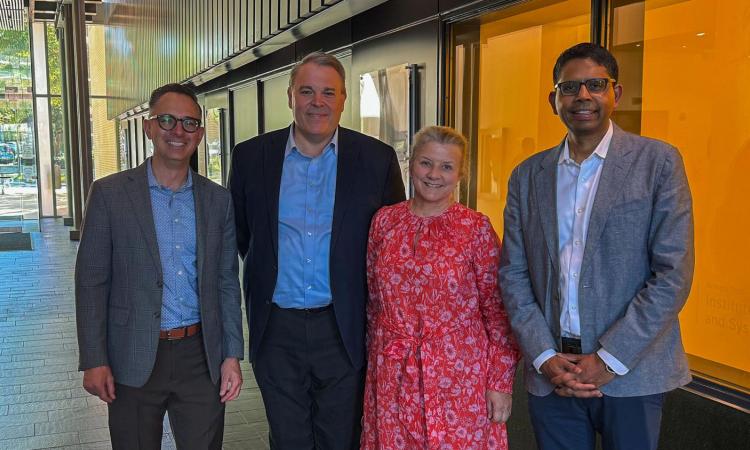
Brand Lecture Honors Legacy of Innovation
The third annual Oliver Brand Memorial Lecture featured insights from IBM’s Vijay Narayanan on how advanced materials are shaping the future of artificial intelligence.
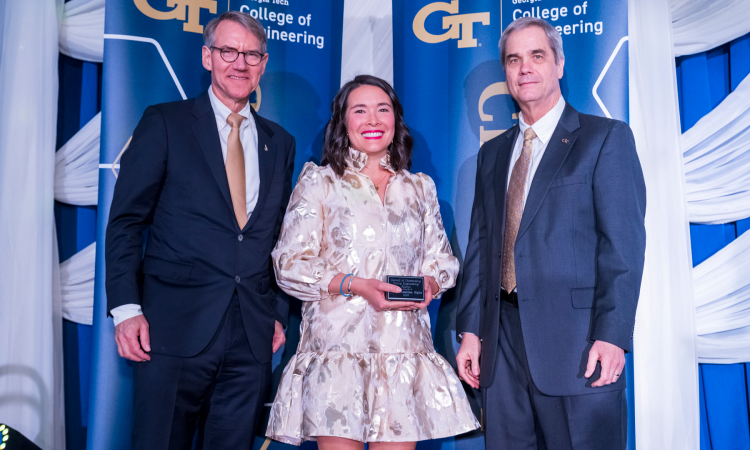
Six ECE Graduates Honored at Annual College of Engineering Awards
The honorees included entrepreneurs, academics, philanthropists, and leaders across a variety of industries.
Learn more about ECE Collaboration and Development Opportunities
Contact
Jeff Colburn
Director of Development
jeff.colburn@ece.gatech.edu | 404-290-4156
Eve Irving
Development Associate
eve.irving@ece.gatech.edu | 470-553-7695
