
From NASA: Professor John Cressler led a NASA-sponsored team that developed electronics that can operate reliably in the harsh radiation and temperature conditions found on distant planetary bodies like Europa.

Numerous bodies in our solar system are believed to contain water in the form of ice, vapor, or liquid on or below the surface. These ocean worlds include planetary moons like Jupiter’s Europa and Ganymede. The liquid water beneath ice crusts on ocean worlds can offer insights about the origins of our solar system and provide clues that could enable us to discover life elsewhere in the universe.
Unfortunately, exploring these locations is challenging. Ocean world environments are very harsh, with high radiation levels (5 Mrad of ionizing radiation, which is 50 times more than is lethal to humans) and extremely low temperatures (-180°C). Missions to explore these destinations require electronics for sensing, control, and communications that can function under such unforgiving conditions.
A team at Georgia Tech led by School of Electrical and Computer Engineering Professor John D. Cressler and assisted by personnel at NASA’s Jet Propulsion Laboratory in Southern California and the University of Tennessee-Knoxville is working to develop and demonstrate robust silicon-germanium (SiGe) electronics that can survive both the intense radiation and low temperatures found on ocean worlds.
Read the full story on the NASA website.
(text and background only visible when logged in)
Related Content
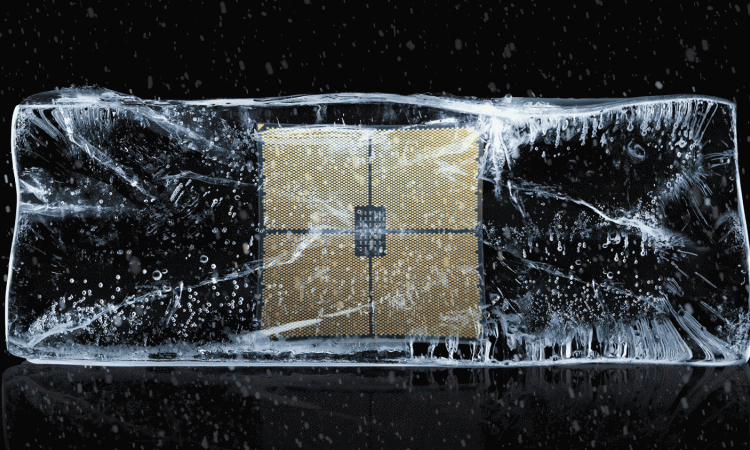
The Challenges and Opportunities of Technology in the Cold
In labs chilled to 4 kelvins (-450 degrees!) and on expeditions to polar regions, Georgia Tech scientists are discovering how extreme cold simultaneously challenges and advances technology in computing, space exploration, and the interpretation of Earth’s natural signals.
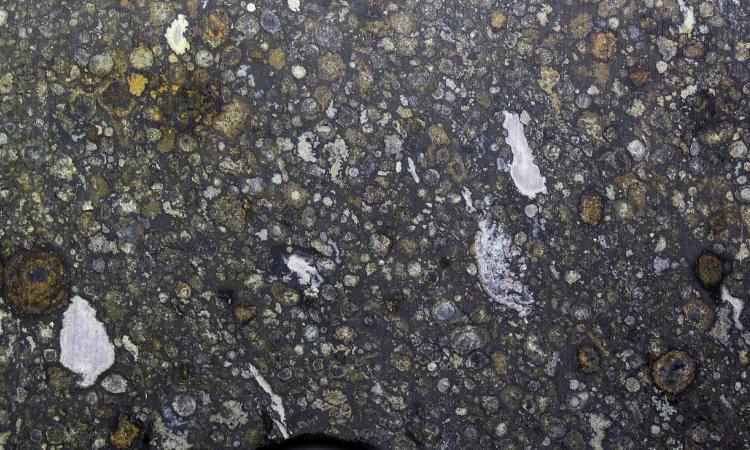
Can Scientists Detect Life Without Knowing What it Looks Like? Research Using Machine Learning Offers a New Way
Instead of searching for a single molecule or structure that proves the presence of biology, researchers attempted to classify how likely mixtures of compounds preserved in rocks and meteorites were to contain traces of life by examining the full chemical patterns they contain.