
From The Conversation: Ph.D. candidate Anna Raymaker highlights the vulnerability of ships and their GPS. Modern shipping depends heavily on GPS satellite navigation but that can be disrupted or manipulated through methods like jamming and spoofing.

(text and background only visible when logged in)
The war in Iran has dominated headlines with reports of airstrikes and escalating military activity. But beyond the immediate devastation, the conflict has also illuminated a quieter and rapidly growing danger: the vulnerability of ships, and the people who operate them, to disruption of their navigation systems.
Modern shipping depends heavily on GPS satellite navigation. When those signals are disrupted or manipulated, ships can suddenly appear to their navigators and to other ships to be somewhere they are not. In some cases, vessels have been shown jumping across maps, drifting miles inland or appearing to circle in impossible patterns. The risk is even higher in war zones, where ships could be misdirected into harm’s way.
Read the full story from Anna Raymaker on The Conversation's website.
Related Content
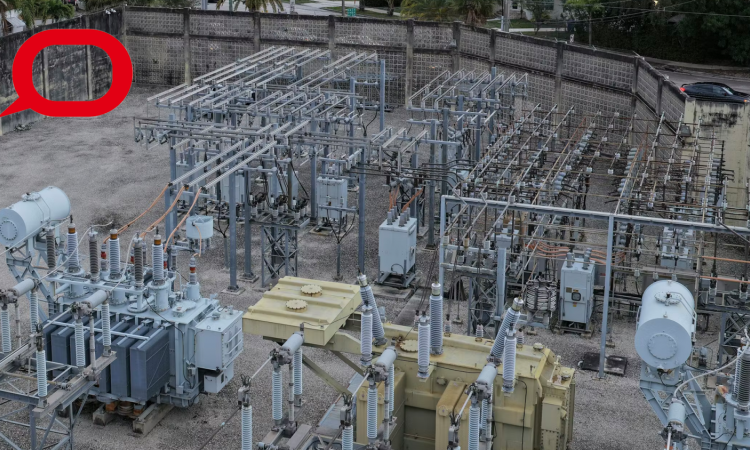
Hacking the grid: How digital sabotage turns infrastructure into a weapon
From The Conversation: Associate Professor Saman Zonouz writes about how a nation can turn an adversary’s lights out without firing a shot and what can be done to prevent it.

New Algorithm Identifies Increase in Critical Infrastructure Security Vulnerabilities
Led by Ph.D. student Ryan Pickren, the research discovered 37 times more vulnerabilities in industrial control systems (which oversee and automate industrial processes) than was previously thought.